

Coccidia in Cats and Kittens: Symptoms, Treatment, and the Most Accurate Testing Methods
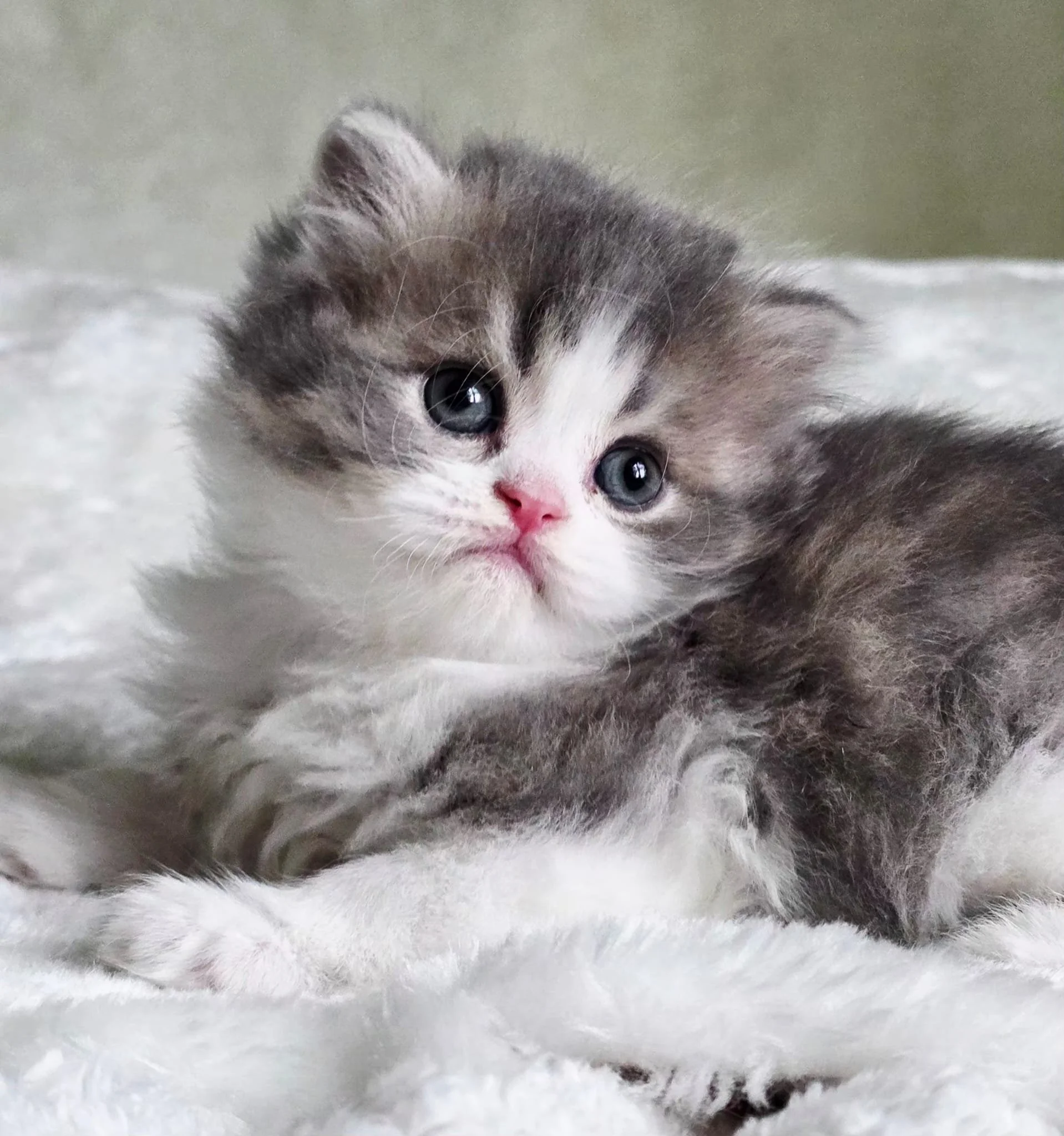
BestOfTheBest Cattery Scottish Straight Bi-color Long Hair
Coccidia is one of the most common intestinal parasites found in young kittens, and it’s something every cat owner and future kitten parent should understand. At PurrfectlyFold, I take parasite prevention seriously, because early detection and proper treatment lead to faster recovery and healthier kittens.
What Is Coccidia?
Coccidia are microscopic protozoan parasites that live in a cat’s intestines. The species Isospora felis and Isospora rivolta are most common in kittens. While invisible to the naked eye, they can cause significant digestive upset, dehydration, and even life-threatening illness in very young or stressed kittens.
How Kittens Become Infected
Kittens usually get coccidia by ingesting oocysts, tiny eggs shed in the feces of infected animals. Contaminated litter boxes, surfaces, bedding, or grooming themselves after stepping in stool are the most common ways they’re exposed.
Because coccidia is highly resilient in the environment, outbreaks can happen even in clean homes or catteries.
Symptoms of Coccidia in Kittens
Signs and symptoms of coccidia in kittens
Diarrhea (soft, watery, or mucus-like)
Foul-smelling stool
Lethargy and weakness
Dehydration
Poor weight gain or weight loss
Loss of appetite
Occasional vomiting
Kittens can decline quickly, so early detection is essential.
How Coccidia Is Diagnosed: Flotation vs PCR Testing
Fecal Flotation Test (Traditional Method)
Most veterinarians begin with a fecal flotation test. This test checks a small fecal sample under a microscope to look for oocysts.
However, fecal flotation is not always reliable because:
Kittens shed oocysts intermittently, so the sample might be negative even if the kitten is infected.
Early or very mild infections can be missed.
The technician may not spot oocysts if the number is low.
This means false negatives happen frequently.
PCR Test for Coccidia (More Accurate)
PCR (polymerase chain reaction) testing has become the most accurate and sensitive method for detecting coccidia in cats. It analyzes the DNA of parasites present in the stool, even if no visible oocysts are shed at the moment.
Benefits of PCR testing:
Detects infections earlier
Identifies very low-level infections
Far more reliable than flotation
Can detect multiple parasites at once (Giardia, roundworms, etc.)
For kittens with chronic diarrhea or suspected parasite exposure, PCR is the best option to confirm a diagnosis.
How to Treat Coccidia in Kittens
Once diagnosed, coccidia is very treatable with prescription medication.
1. Sulfadimethoxine (Albon)
Given once daily for 5–10 days
Stops the parasite from multiplying
Safe for kittens
2. Ponazuril (Marquis, Toltrazuril)
Often used for stubborn or heavy infections
Fast-acting; usually 1–3 doses
Widely used by breeders and vets for quick recovery
Never rely on over-the-counter products—they do not work on coccidia.
Supportive Care During Treatment
Help your kitten recover comfortably:
Provide plenty of hydration
Feed moist food to support digestion
Add probiotics to restore gut balance
Clean and disinfect litter boxes daily
Keep bedding, playpens, and floors dry
Quarantine infected kittens from healthy ones
How to Prevent Coccidia in kittens
Scoop litter boxes 1–2× daily
Disinfect with ammonia-based cleaners (bleach does not kill coccidia oocysts)
Keep kitten areas dry
Wash bowls, blankets, and toys frequently
Quarantine new kittens for 10–14 days
Perform regular fecal and PCR testing in breeding homes
At PurrfectlyFold, all kittens undergo parasite screening, and any digestive concerns are treated proactively to ensure every kitten goes home healthy and thriving.
Is Coccidia Contagious to Humans?
The coccidia species that infect cats do not infect humans. However, good hygiene should always be practiced around litter boxes.
When to Contact a Veterinarian
Call your vet if your kitten has:
Diarrhea lasting longer than 24 hours
Lack of appetite
Signs of dehydration
Blood in the stool
Weakness or lethargy
Early treatment can prevent complications.
Final Thoughts
Coccidia is common, but with accurate testing—especially PCR—and proper treatment, kittens recover quickly. As a breeder, I prioritize early detection, precise diagnosis, and preventative hygiene to keep our Scottish Fold kittens healthy from the start.