
Scottish Fold Frequently Asked Questions




-
Scottish Folds are not in pain by default. However, the breed’s distinctive folded ears can be linked to a cartilage issue, which may cause discomfort or health problems in some cats. Reputable breeders avoid breeding fold-to-fold, as this can increase the risk of genetic disorders like osteochondrodysplasia (OCD). Always choose a responsible breeder to ensure the health of your cat.
-
Breeding two Scottish Folds together (fold-to-fold) is not allowed due to the serious health risks involved. The genetic mutation that causes the ear fold also affects cartilage and bone development, leading to conditions like osteochondrodysplasia (OCD). This disorder can cause severe joint pain, stiffness, and other skeletal issues. To protect the health of the cats and kittens, responsible breeders and cat registries prohibit fold-to-fold breeding. Scottish Folds should be bred with non-folded cats, such as Scottish Straights, to reduce these genetic risks.
-
The Scottish Straight is the straight-eared sibling of the Scottish Fold. Like their folded-eared relatives, Scottish Straights are fun-loving, affectionate, and sometimes even comical. The first Scottish Fold cat, named Susie, was found as a barn cat in Scotland in the 1960s, and Scottish Straights are naturally occurring from the same gene pool, but with straight ears instead of folded ears.
Scottish Straights exist to maintain genetic diversity in the breed, as breeding two Scottish Folds together (fold-to-fold) can lead to increased risks of genetic health issues, such as Osteochondrodysplasia. By introducing straight-eared cats into breeding programs, breeders help to reduce these risks while still preserving the unique characteristics of the Scottish Fold.
-
Once a Scottish Fold's ears have folded, they typically do not unfold. However, some Scottish Folds may have ears that are not tightly folded. Additionally, the ears of female Scottish Folds can sometimes temporarily "go up" when they are in heat. Other conditions, such as ear infections or health issues, may also cause the ears to appear differently.
-
Scottish Folds are not banned in the USA. However, TICA (The International Cat Association) initially considered banning the breed due to health concerns. Instead, they allowed Scottish Folds to continue being registered, provided breeders conduct DNA testing to ensure the health and safety of the breed.
-
Yes, Scottish Folds are known for their affectionate nature and often enjoy cuddling with their owners. They tend to be calm and enjoy spending time with their family’s.
-
Scottish Fold kittens are considered a premium pedigree breed, and their price reflects the level of care, health testing, and ethical breeding involved. On average, Scottish Folds typically range from $700 to $5,000 or more, depending on several important factors, including pedigree, coat type and color, eye color, and the breeder’s experience and reputation.
Pricing can also vary based on what is included. Reputable breeders often provide comprehensive veterinary care such as age-appropriate vaccinations, deworming, spay or neuter surgery, health screenings, and registration paperwork. These services represent a significant investment in the kitten’s health and long-term well-being.
In some cases, adopting a rescue Scottish Fold or a retired breeding cat may be a more affordable option while still offering a wonderful companion.
Scottish Folds are a premium pedigree breed, and their price reflects ethical breeding, health testing, and proper care. On average, Scottish Fold kittens typically range from $700 to $5,000 or more, depending on pedigree, coat type and color, eye color, and the breeder’s experience.
The price may also include important veterinary care such as vaccinations, deworming, spay or neuter surgery, health screenings, and registration paperwork.
It’s important to note that the purchase price is only part of the cost. Ongoing expenses—quality food, routine vet care, grooming, enrichment, and unexpected medical needs—are a long-term responsibility and often exceed the initial cost over a cat’s lifetime.
For a detailed breakdown of ownership expenses, read our blog:
The Ultimate Guide to Scottish Fold Kitten Ownership Costs (2025)
When choosing a Scottish Fold, always select a breeder or adoption organization that prioritizes health, temperament, and ethical breeding practices. A well-bred kitten is a long-term commitment, not just a purchase. -
No, Scottish Folds are not considered hypoallergenic. Like most cats, they produce allergens in their skin and saliva, which can trigger allergies in sensitive individuals.
-
Scottish Folds are affectionate and social cats that enjoy companionship, so they may not be happy if left alone for long periods. It’s best to have someone check on them or provide enrichment, like toys or a second cat, if you need to be away for an extended time.
-
Scottish Folds are typically affectionate, calm, and social, often forming strong bonds with their owners and enjoying companionship. They are known for their gentle and playful nature. British Shorthairs, on the other hand, are usually more independent and reserved, though still affectionate. British can be laid-back and enjoy being around their owners, but they tend to be less demanding for attention than Scottish Folds.
-
The main difference between Scottish Straight and British is their origin and appearance. Scottish Straights have straight ears, unlike the Scottish Fold, and are known for their sweet and gentle temperament. British Shorthairs also have straight ears, but they have a more compact, rounder face and a sturdier build. While both breeds are affectionate and calm, the Scottish Straight tends to have a slightly more playful and social personality compared to the British, which can be more independent.
-
Yes, it is possible to breed a Scottish Fold with a British. The resulting kittens may inherit traits from both breeds, such as the British round face and the Scottish Fold's folded or straight ears. However, not all kittens will inherit the fold gene. The kittens that inherit the fold gene will have folded ears, while those that don’t will have straight ears. Regardless of whether they inherit the fold gene, the breed name remains Scottish Fold for all the kittens.
-
You can get a Scottish Fold from reputable breeders who specialize in the breed. It's important to research breeders carefully to ensure they prioritize the health and well-being of their cats. Look for breeders who follow responsible breeding practices, including genetic testing and proper care. Additionally, you may find Scottish Folds through adoption organizations or rescue groups, though availability may vary. Avoid buying from pet stores or backyard breeders, as they may not adhere to ethical breeding standards.
-
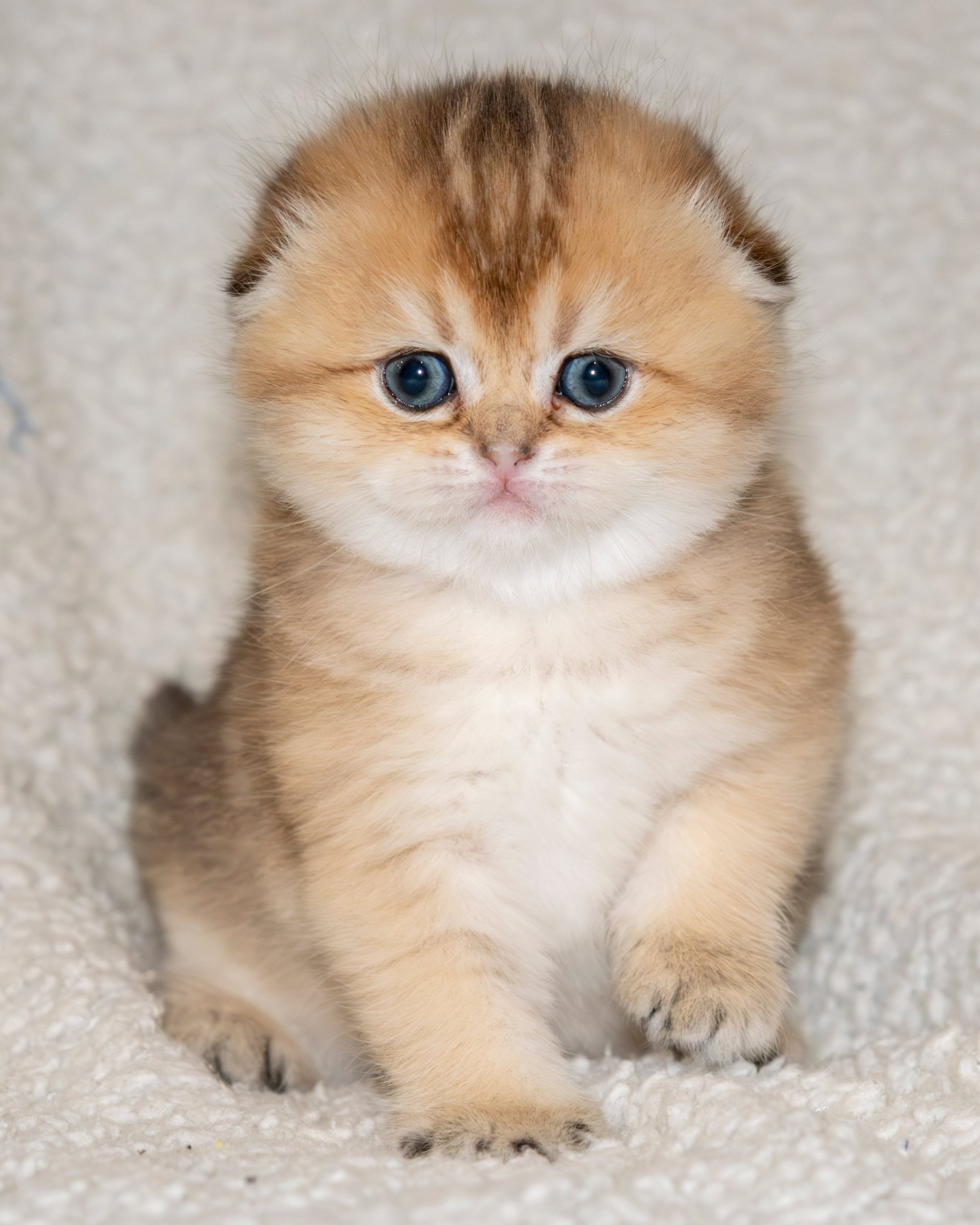
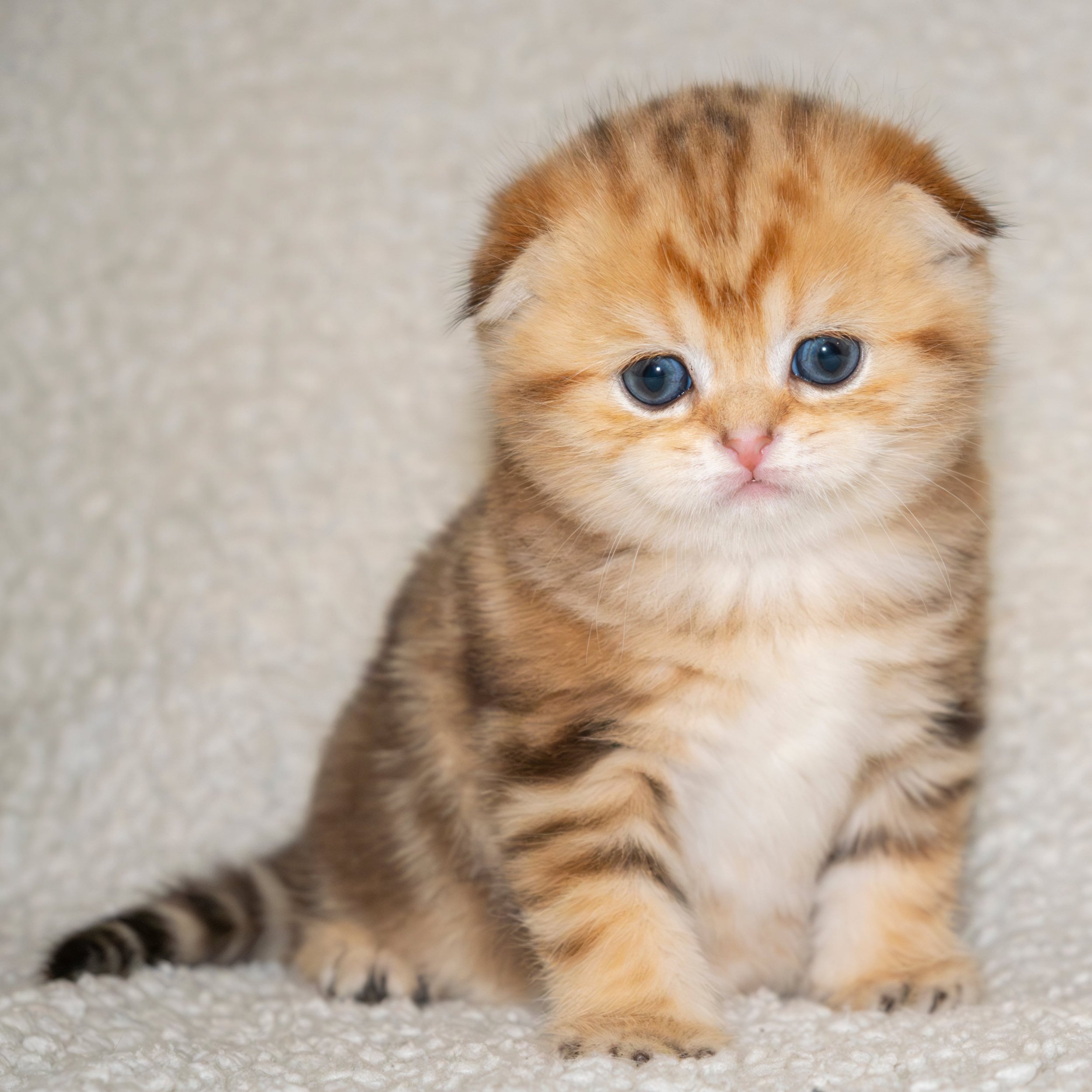
Scottish Folds come in two main types based on their ear shape:
Scottish Fold (Folded Ears): These cats have distinctive folded ears, which is the hallmark trait of the breed.
Scottish Straight (Straight Ears): These cats have straight ears and are genetically related to the Scottish Fold but do not have the ear fold.
In terms of coat length, Scottish Folds are available in:
Short-haired (SH): The most common variation, with a dense, plush coat that is easy to maintain.
Long-haired (LH): These Folds have a longer, silky coat that requires more grooming but has a beautiful, luxurious appearance.
Scottish Folds also come in a wide variety of colors and patterns, including:
Solid colors: Black, white, blue, cream, chocolate, lilac
Tabby patterns: Classic, mackerel, and spotted
Bicolor: A combination of white with any other color
Pointed: Similar to the color point pattern in Siamese cats, with darker points on the ears, face, paws, and tail
Silver and golden: Including shaded and ticked patterns
Tortoiseshell: A mix of black, red, and cream hues