
Understanding Folded Ears in Scottish Fold cats and what is Osteochondrodysplasia (OSD)
Scottish Fold cats are easily recognized by their unique folded ears, which give them an irresistibly cute appearance. But have you ever wondered why their ears fold? The reason behind their folded ears is a genetic mutation that affects cartilage development. While this trait is what makes Scottish Folds so distinct, it also comes with some important health considerations that potential owners should be aware of, particularly regarding a condition called Osteochondrodysplasia (OCD).

Susie - one of the fist cat with folded ears
The Origin of the Folded Ears
All Scottish Fold cats can be traced back to a cat named Susie. In 1961, Susie, a white cat with naturally folded ears, was discovered living in a barn on a farm in Scotland. Her folded ears were the result of a spontaneous genetic mutation that affected the cartilage in her ears. This unique trait was passed on to her kittens, and breeders began selectively breeding cats with the same characteristic. Over time, the folded ear became the signature feature of the breed, leading to the development of the Scottish Fold as we know it today. However, while these folded ears are undeniably cute, the same genetic mutation that causes them also brings along some potential health risks.
The Fd Gene and Its Effects
The folded ears of Scottish Folds are the result of a mutation in the Fd gene, which affects cartilage development throughout the body. This gene is autosomal dominant, meaning that a cat only needs to inherit one copy of the gene for the trait to appear. However, when a cat inherits two copies of the Fd gene, it can lead to more serious health problems. This genetic defect causes abnormalities in the development of cartilage in the joints, leading to painful bone and joint issues.
What Is Scottish Fold Osteochondrodysplasia (SFOCD)?
Scottish Fold Osteochondrodysplasia (SFOCD) is an inherited skeletal disorder caused by the Fd gene. It leads to deformities such as shortened, stiff tails and splayed, shortened feet. Affected cats may show lameness, swollen joints, abnormal gait, and reluctance to move or jump. Severe cases can make walking impossible.
Important: SFOCD is progressive and incurable. The condition is most severe in fold-to-fold (Fd/Fd) cats, but even cats with a single copy of the gene (Fd/f) can develop milder skeletal changes and joint stiffness as they age.
The only way to prevent severe SFOCD is never to breed fold-to-fold. Responsible breeders pair a Scottish Fold only with a straight-eared cat to reduce the risk of painful deformities.
Affected cats can receive supportive care, including pain relief and anti-inflammatory medications, to help maintain mobility and comfort.
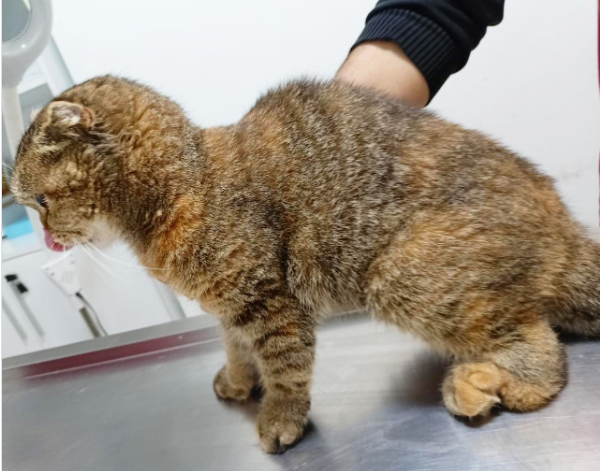
Scottish Fold cat undergoing a veterinary exam for osteochondrodysplasia (SFOCD)
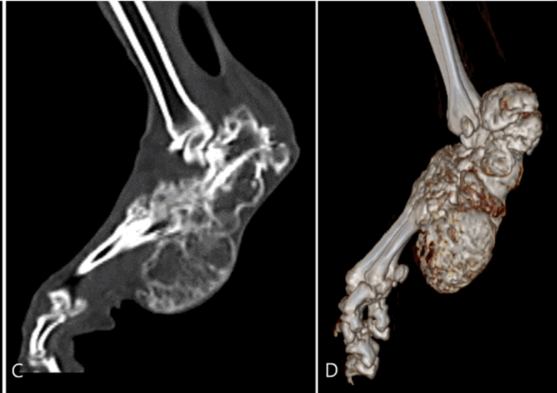
Radiograph of Scottish Fold feet illustrating typical deformities associated with SFOCD
Suspected Non-Fold Litters and Breeding Considerations
Some straight-eared kittens from Fold parents may still carry the Fd gene but show a very low expression, meaning their ears might initially fold before straightening out. To avoid passing on the genetic issues, some breeders recommend using DNA testing before mating straight-eared cats with Folds. This ensures that the straight-eared cat isn't genetically a Fold, helping to prevent the potential for producing kittens with cartilage problems.
Are Scottish Folds in Pain? Symptoms and Progression of the Disease
Scottish Fold cats with Osteochondrodysplasia (OCD) can experience different levels of pain depending on their genetic makeup. Cats bred from Fold-to-Fold pairings are at a much higher risk of severe pain and early-onset joint deformities because they inherit two copies of the Fd gene.
These cats typically begin showing signs of Osteochondrodysplasia between 4 to 6 months of age. Early symptoms include limping, stiffness, and difficulty jumping or moving. As they grow older, these cats often develop severe joint deformities, which lead to chronic pain and significant mobility issues, drastically affecting their quality of life.
In contrast, when Scottish Folds are bred with straight-eared cats, the kittens inherit only one copy of the Fd gene. These cats may still develop mild skeletal changes or joint stiffness, but their symptoms tend to be milder, appear later in life, and progress more gradually. Regular monitoring, proper care, and maintaining a healthy weight can help manage the progression of symptoms and improve overall comfort for these cats.
Responsible breeding practices, such as pairing Folds with straight-eared cats and conducting DNA testing before mating, play a crucial role in reducing the risk of severe cartilage and bone issues. By prioritizing genetic health, breeders can ensure healthier, more comfortable lives for Scottish Fold kittens, minimizing their chances of experiencing debilitating pain.
Managing Osteochondrodysplasia
Unfortunately, there is no cure for Osteochondrodysplasia. While the condition is not an emergency, it can cause significant pain and difficulty moving. If you notice that your Scottish Fold cat is limping, moving stiffly, or having trouble with activities like jumping or playing, it's important to consult with a veterinarian. Although there’s no cure, your vet can provide treatments to help manage the symptoms and improve your cat's comfort. Additionally, the Fd gene that causes the condition can be activated by high temperatures. To minimize the risk of the gene affecting cartilage development, it’s recommended to keep your Scottish Fold cat in an environment at or below 68°F (18°C).
Some joint supplements can be beneficial for all Scottish Fold cats, not just those showing signs of Osteochondrodysplasia. For example, Nutramax Cosequin Glucosamine and Chondroitin are commonly used to support cartilage and joint health and may help slow the progression of joint stiffness over time. These supplements are generally safe for adult cats, and some veterinarians may recommend them for kittens starting around 6–12 months of age as a preventative measure, especially in breeds predisposed to skeletal issues like Scottish Folds. Always consult your veterinarian to determine the right dosage and formulation for your cat’s age and weight.
TICA's Stance on Scottish Folds
The International Cat Association (TICA) initially wanted to remove Scottish Folds from the breed registry due to the health risks associated with the Fd gene. However, the breed was allowed to remain in the registry under the condition that breeders conduct DNA testing before breeding to ensure the health of the cats involved. This requirement helps identify potential carriers of the defective Fd gene and reduce the risk of passing on the genetic issues associated with Osteochondrodysplasia. By encouraging responsible breeding practices, TICA aims to support the health and well-being of Scottish Folds while preserving their unique, folded-ear appearance.

DNA Testing Kit
Sources & Further Reading
Conclusion
The folded ears of Scottish Fold cats are a defining feature, but they also come with the risk of Osteochondrodysplasia, a condition that affects the cartilage and bones. If you're considering adopting a Scottish Fold, it’s essential to understand the potential health concerns related to this breed. Choosing a responsible breeder who tests for genetic issues can help ensure that your new feline companion has the best chance for a healthy and happy life.
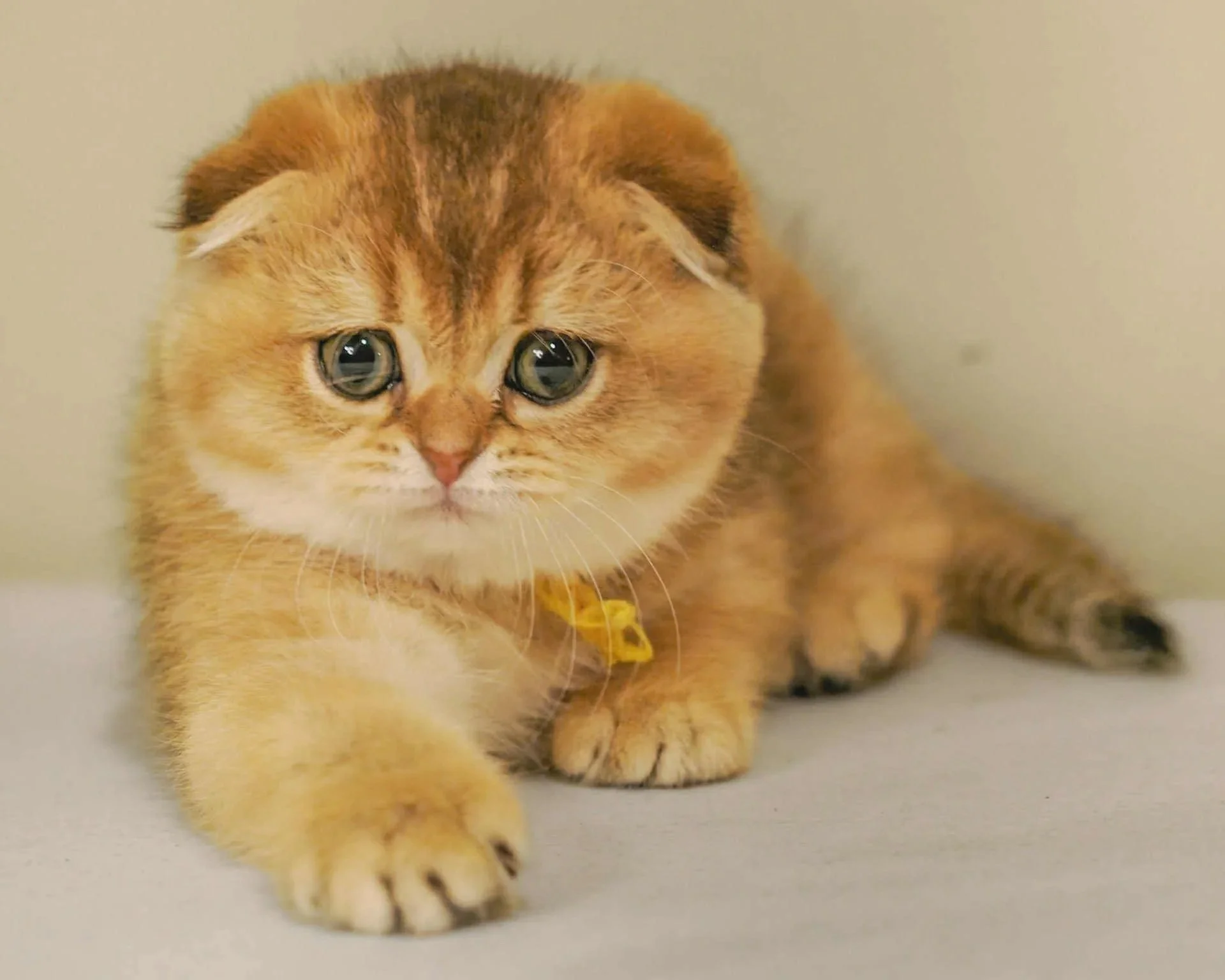
Dulcie of PurrfectlyFold - Scottish Fold Black Golden Shaded