

The Healthiest Cat Breeds: What Every Pet Owner Should Know
When people search for the “healthiest cat breeds,” they are usually trying to answer a much more important question:
How do I choose a cat that will live a long, comfortable, and healthy life?
The truth is simple but often overlooked — health is not guaranteed by breed alone. It is shaped by genetics, ethical breeding practices, early care, and lifelong responsibility.
At PurrfectlyFold, we believe transparency and education matter more than trends or labels. This guide explains what truly determines a cat’s health and how to make an informed, responsible choice. ask.
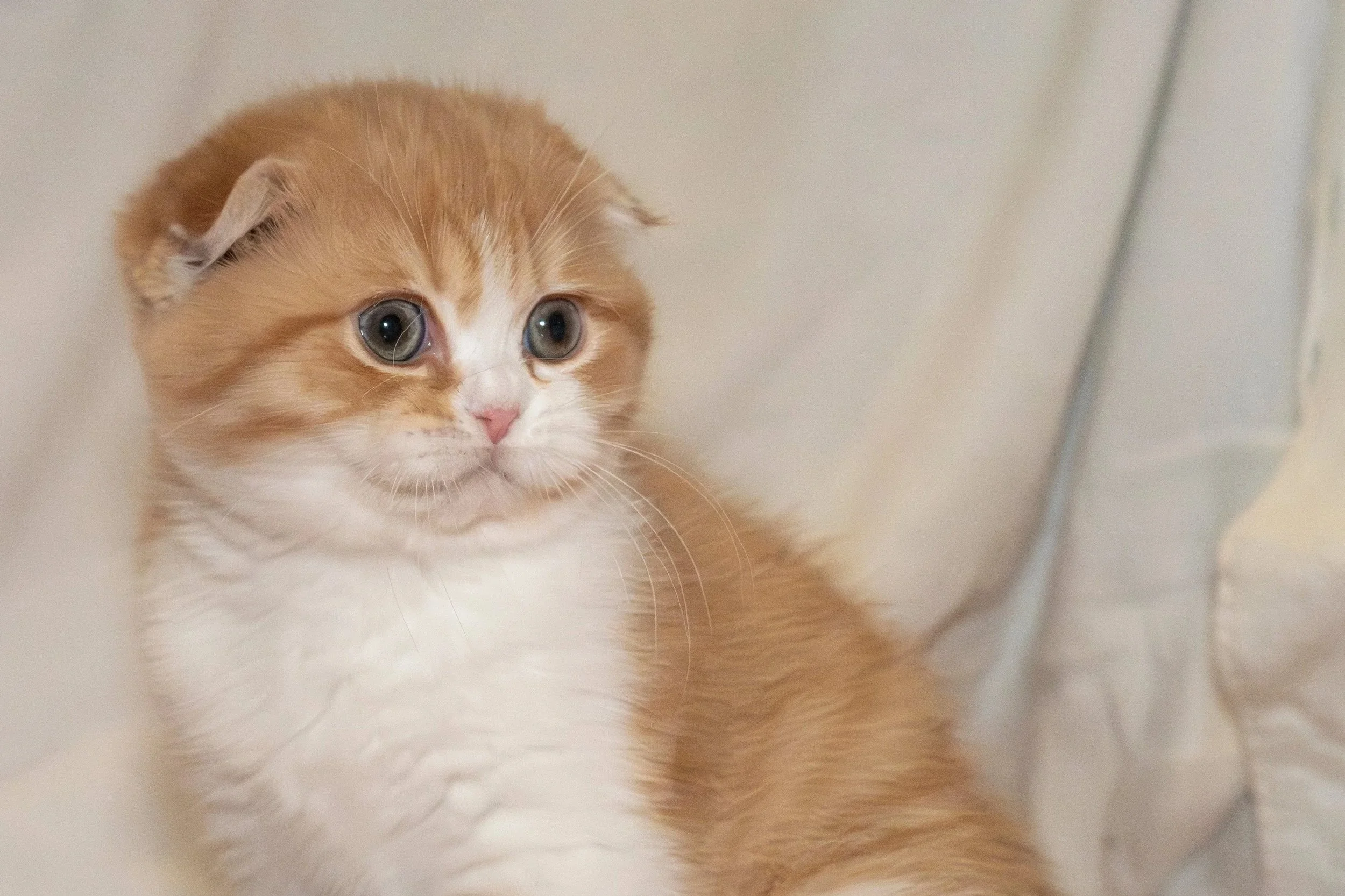
There Is No Such Thing as a “Perfectly Healthy” Breed
No cat breed — pedigreed or mixed — is completely free of potential health risks. Claims that one breed is universally healthier than another are often misleading.
What does make a real difference:
Careful selection of breeding cats
Ethical pairings and limited breeding
Proper prenatal and neonatal care
Early socialization and low-stress environments
Many health problems seen in cats today are not caused by the breed itself, but by poor breeding decisions and mass production.
Genetics Matter More Than the Breed Name
Strong genetics come from:
Tested parent cats
Knowledge of multiple generations
Avoiding risky or unethical pairings
Breeding for structure, mobility, and temperament — not just appearance
Cats raised from well-planned lines with health screening often outperform “popular” breeds bred without care.
Mixed-Breed vs. Pedigreed Cats: The Real Comparison
Mixed-Breed Cats
Mixed-breed cats may benefit from wider genetic diversity, which can reduce the likelihood of certain inherited conditions. However, their health still depends on early care, nutrition, and environment.
Pedigreed Cats
Pedigreed cats can be very healthy when bred responsibly. Ethical breeders invest heavily in:
Genetic testing
Controlled breeding plans
Veterinary supervision
Raising kittens slowly and intentionally
Health problems arise when pedigree cats are bred without knowledge, limits, or accountability.
Scottish Folds: Health Depends on Ethical Breeding
Scottish Folds are often discussed in health debates, and rightly so — they require knowledgeable, ethical breeding.
At PurrfectlyFold, health comes first:
We never breed Fold to Fold
All breeding cats are DNA tested
Bloodlines are carefully selected
Litters are limited (1-2 per year)
Kittens are raised in-home with constant supervision
Kittens leave spayed or neutered, vaccinated, and properly socialized
A responsibly bred Scottish Fold is not rushed, mass-produced, or bred without understanding genetics.
Questions Every Responsible Cat Owner Should Ask
Before choosing any kitten, ask:
Are the parents genetically tested?
How many litters are produced each year?
Are kittens raised in the home?
What veterinary care is provided before adoption?
Is there a written health guarantee?
A reputable breeder will welcome these questions — and answer them clearly.
Red Flags to Avoid
Be cautious if you see:
Constantly available kittens
Very young kittens offered
No health documentation
No discussion of genetics
Focus on appearance over wellbeing
Low upfront cost often leads to high long-term veterinary expenses.
Final Thoughts: Health Is a Process, Not a Label
The healthiest cat is not defined by breed — it is defined by:
Ethical breeding practices
Genetic responsibility
Proper early care
Thoughtful placement into the right home
Whether you choose a rescue cat or a pedigreed kitten, education and responsible sourcing matter most.
If you’re considering a Scottish Fold and want to understand how ethical breeding makes the difference, we invite you to learn more about our philosophy at PurrfectlyFold.
A healthy start creates a lifetime of comfort, trust, and companionship.
Trusted Veterinary & Feline Health Resources
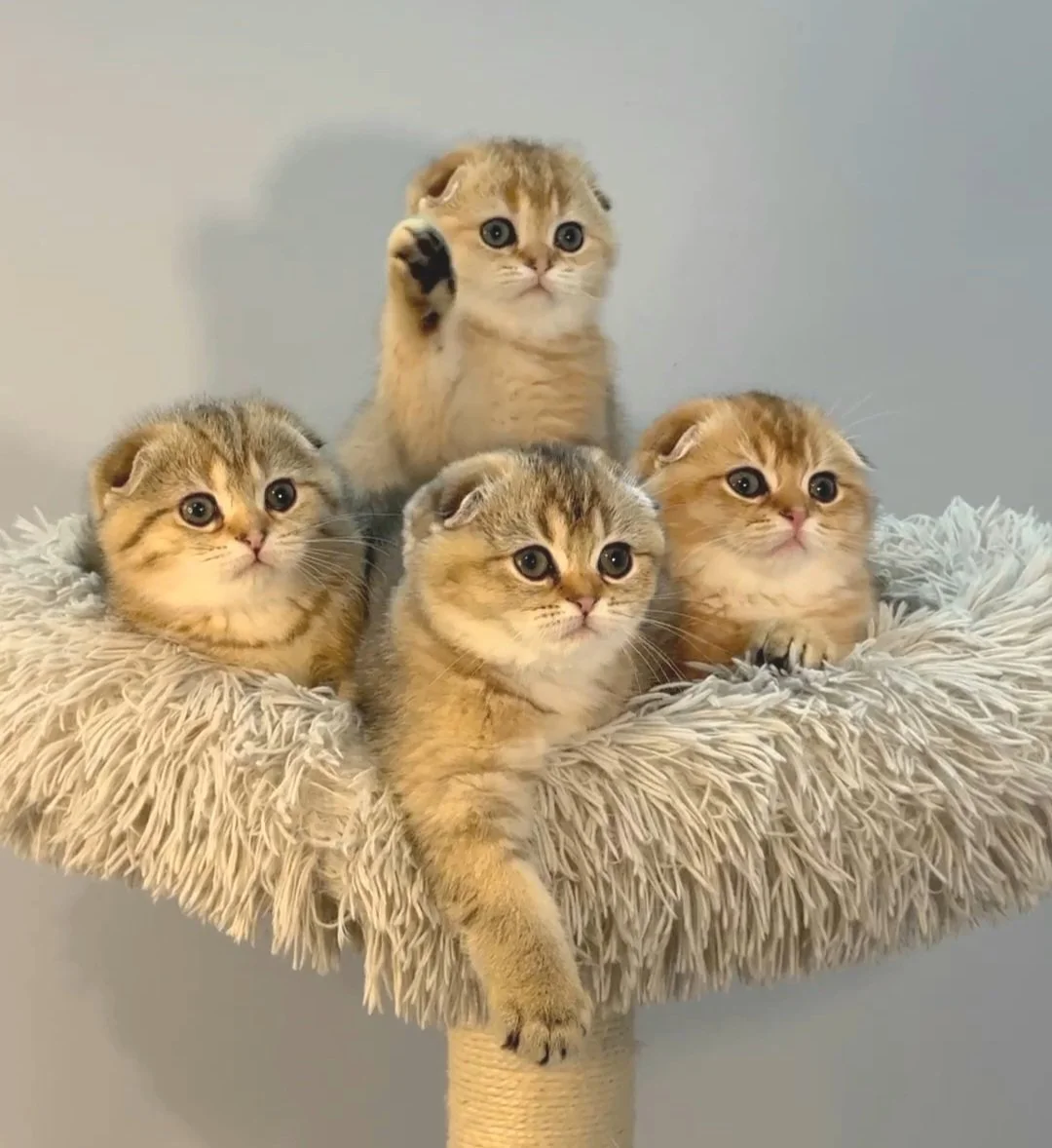
Maisie and Archibald – Litter “D.” Four Scottish Fold kittens with black golden shaded coats sitting together indoors, with one kitten lifting its paw. The kittens display folded ears, round faces, and calm, well-socialized behavior, reflecting careful in-home raising.