

Digestive Problems in Scottish Fold Cats – Diarrhea, Constipation, and Vomiting
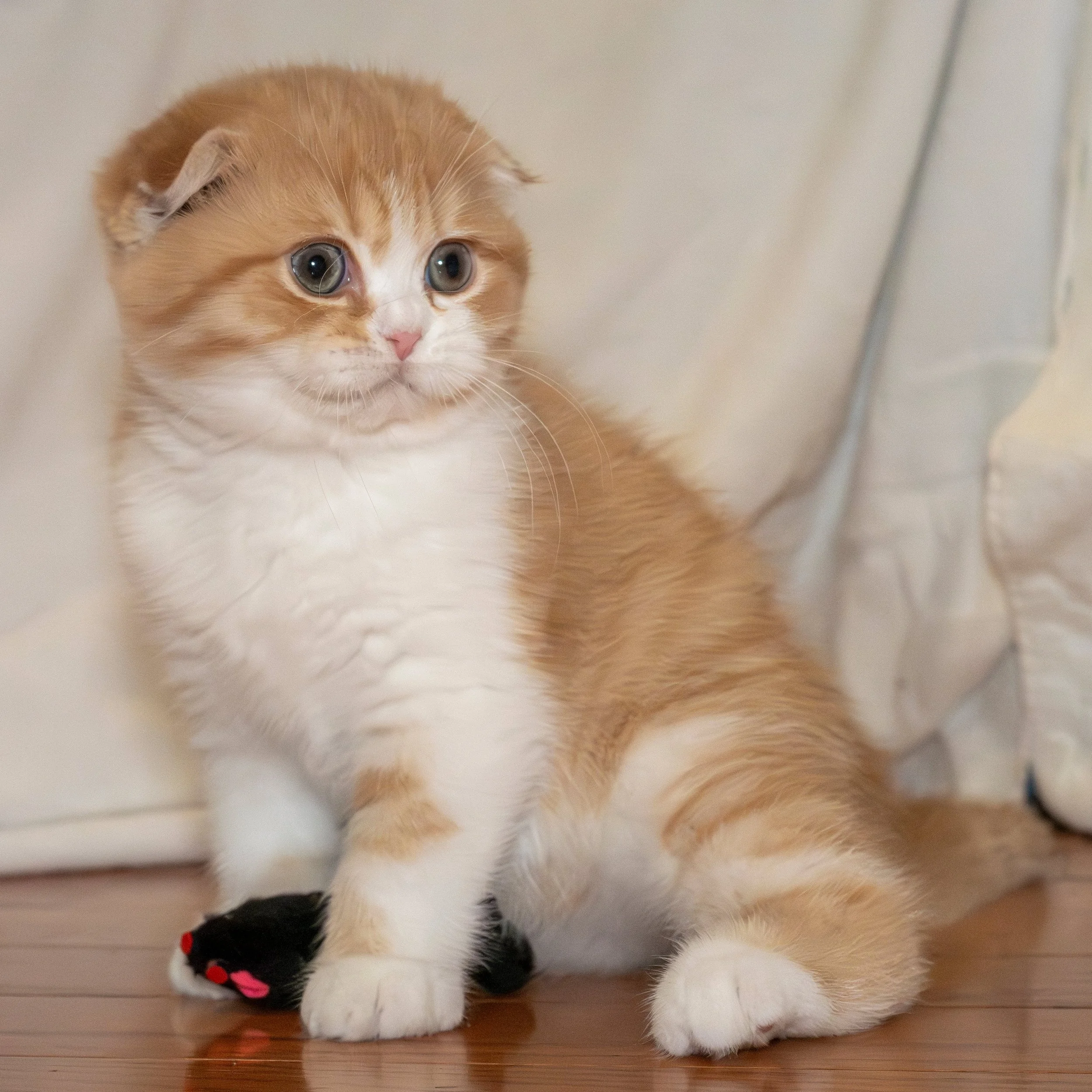
Cats are generally healthy animals, but digestive problems can happen, just like in humans. Recognizing the signs early can prevent complications.
Diarrhea
Common in cats and kittens.
Mild cases: Continue eating and drinking, may resolve in a day or two.
When to call a vet: Persistent diarrhea, refusal to eat/drink, lethargy, dehydration.
Home care tips:
Offer special digestive foods.
Boiled chicken, fish, or a mix of minced lamb/beef with cooked pumpkin/carrot.
Provide fluid replacement: ideally 2 ml per kg every hour.
For mild, short-term diarrhea, over-the-counter supplements with prebiotics can help restore gut balance. Two trusted options are:
Pro-Pectalin Oral Paste for Dogs & Cats – contains kaolin and pectin to firm stools and relieve occasional or stress-related diarrhea.
Diggin' Your Dog Firm Up! Pumpkin for Dogs & Cats – a natural fiber supplement made with pumpkin and apple fiber that supports healthy digestion and stool consistency.
Both can be safely used for cats with mild digestive upset and work best when introduced at the first signs of loose stool.
Constipation
Straining with hard, small stools is common.
Home care:
Extra fluids, canned food instead of dry.
Pumpkin purée or whey butter can help loosen stools.
Warning: Straining with no result can indicate urinary retention — a medical emergency.
Vomiting
Occasional vomiting may not be serious.
Seek vet care if: Vomiting persists, contains blood/worms, or the cat is lethargic.
Home care:
Digestive-supportive foods (boiled chicken/fish, pumpkin, carrot).
Fluid replacement: 2–4 ml per kg every hour.
Never let a cat go without eating for more than a day.
Conclusion
Digestive issues in cats range from mild upset stomach to life-threatening emergencies. Always monitor your cat closely and don’t hesitate to contact your veterinarian when unsure.